Australia has one of the largest populations of imported Skylines outside Japan. Drive through any suburb on a weekend and you’ll see them — R32s that came in over a decade ago, R33s still arriving today, in every condition from concours to project.
If you’re thinking about buying one, this is the starting point. What these cars actually are, which version does what, what you can legally import, and what you’re signing up for.
What makes these cars matter
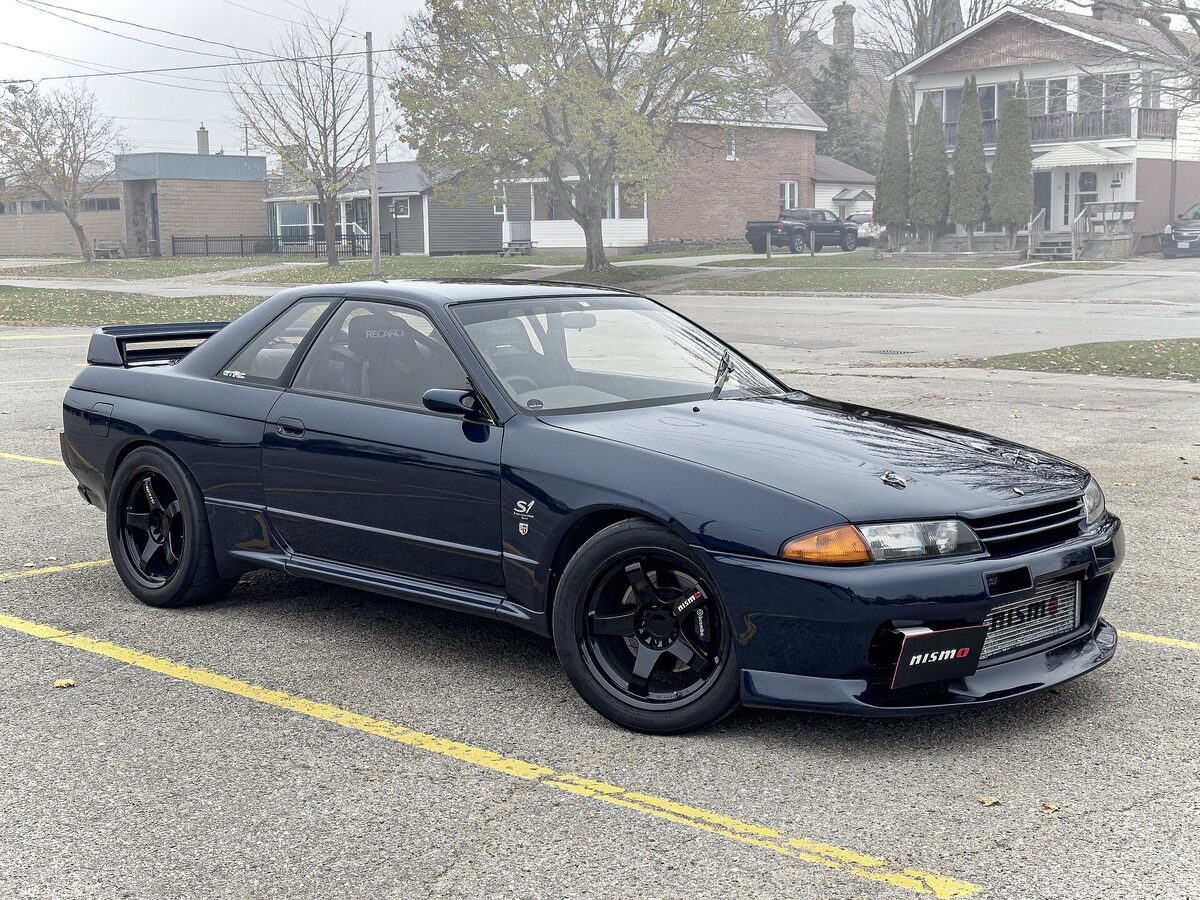
The R32 arrived in 1989 and reset expectations for what a Japanese performance car could be. The GT-R version — twin-turbo, all-wheel drive, built to win touring car championships — did exactly that, including here in Australia, where its Bathurst success earned it a nickname and a rule change.
But the story that matters for most buyers isn’t the GT-R. It’s that Nissan built an entire range on the same platform, with the same engine family, and most of those cars are affordable, well-supported, and genuinely good to drive.
The R33 followed in 1993: larger, heavier, more comfortable, and for years dismissed by enthusiasts for being less raw than the R32. That reputation has softened considerably. For a car you actually drive on Australian roads, the R33’s extra refinement is not a flaw.
Which one is which
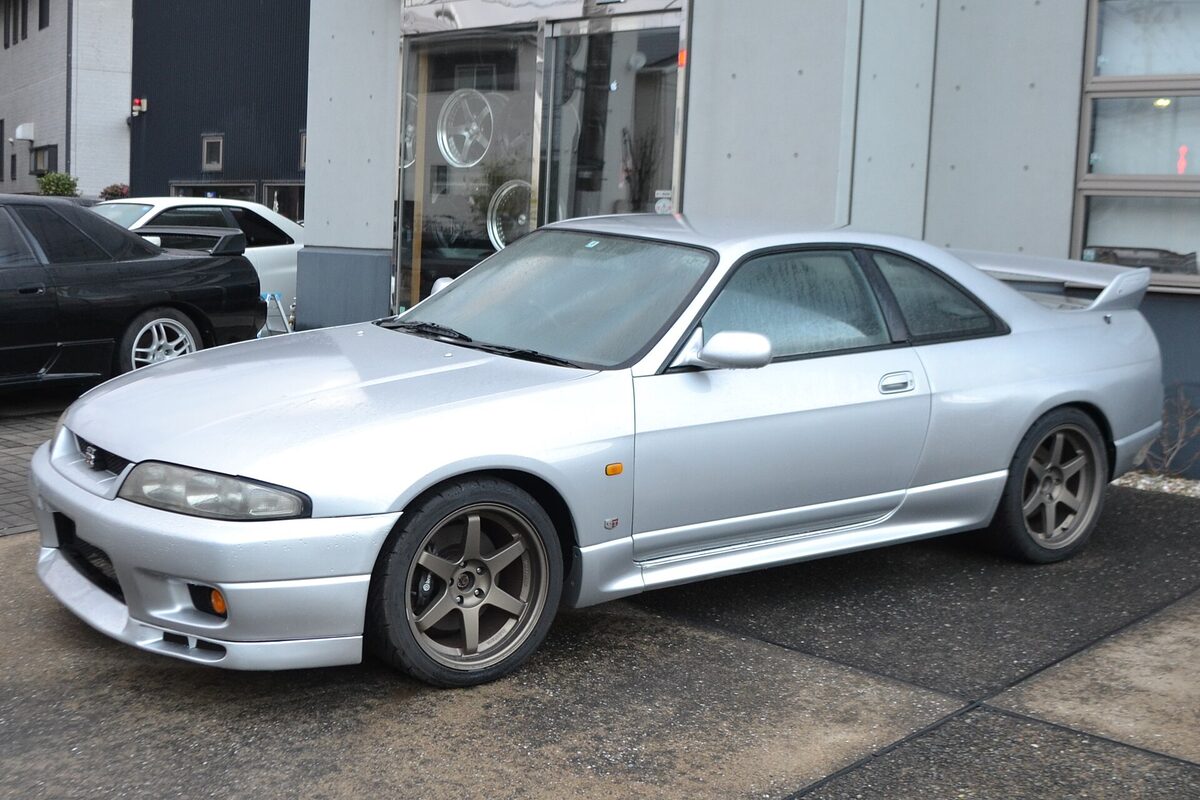
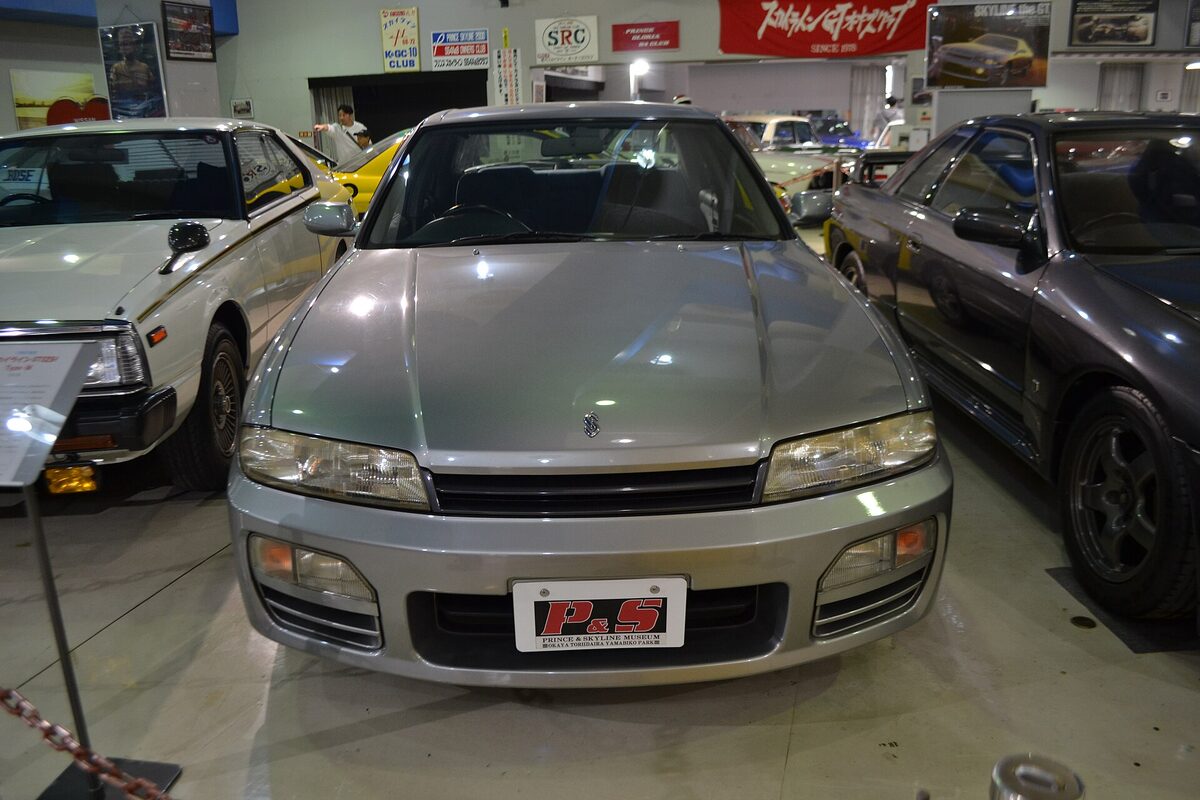
Skyline model codes are the language of buying these cars. Every ad, every parts listing and every forum thread uses them, so it’s worth ten minutes to learn them.
| Code | Model | Engine | Drivetrain |
|---|---|---|---|
| HR32 | R32 GTS | RB20DE (2.0L naturally aspirated) | RWD |
| HCR32 | R32 GTS-T | RB20DET (2.0L turbo) | RWD |
| BNR32 | R32 GT-R | RB26DETT (2.6L twin-turbo) | AWD |
| ECR33 | R33 GTS25t | RB25DET (2.5L turbo) | RWD |
| BCNR33 | R33 GT-R | RB26DETT (2.6L twin-turbo) | AWD |
There were also four-door variants and non-turbo versions within these ranges, so the code on the plate is more reliable than what the ad says.
In practice, buyers tend to sort into three groups.
The GT-R buyer wants the BNR32 or BCNR33. These are the halo cars, priced accordingly, and increasingly treated as appreciating assets rather than daily transport. The RB26DETT is a superb engine with one well-known vulnerability (the oil pump drive, covered in our faults guide).
The turbo buyer wants an HCR32 GTS-T or ECR33 GTS25t. Rear-wheel drive, single turbo, a fraction of GT-R money, and — for most people, most of the time — the more usable car. The RB25DET in particular has a strong reputation.
The pragmatist looks at naturally aspirated cars. Cheaper to buy, cheaper to insure, cheaper to run, and free of turbo-related failure modes. Less exciting, considerably less stressful.
What you can legally import
Australia allows vehicles 25 years or older to be brought in as personal imports under the Road Vehicle Standards Act. This is a rolling threshold — it moves forward continuously — and both the R32 (1989–1994) and R33 (1993–1998) production runs sit comfortably inside it.
That makes these cars considerably simpler to import than newer performance vehicles, which require the Specialist and Enthusiast Vehicle Scheme and a registered automotive workshop. For an R32 or R33, the path is an import approval application with the Department of Infrastructure, then compliance and registration.
These are two separate hurdles, run by different levels of government. Import approval is federal. Registration, roadworthy standards and rules on modifications are set by each state and territory. Clearing the first does not guarantee the second — particularly for a modified car.
Three things to verify rather than assume:
Import approval documentation. Whether you’re importing yourself or buying a car already here, the paperwork should exist. Ask to see it.
Asbestos clearance. Australian border rules on asbestos in imported vehicles are strict, and older Japanese cars can contain it in gaskets and brake components. A car held at the port over this becomes an expensive, slow problem.
State and territory compliance requirements. Roadworthy standards, engineering certification for modifications, and registration processes all differ between states and territories — and many of these cars are modified. A car registered interstate may need work to be registrable where you live, and the same applies if you move later. Confirm current rules with your own state or territory road authority rather than relying on a seller, a forum post, or a national summary.
Also worth knowing: Luxury Car Tax applies only above a value threshold that most R32 and R33 purchases fall well below, and there are separate concessions for older vehicles. Thresholds are set annually and the rules have changed in recent years, so for a high-value GT-R in particular, check the current position with the ATO or a customs broker rather than relying on a figure you read online — including this page.
The three realities of ownership
These are thirty-year-old cars. Not modern cars with vintage styling. Every rubber component, every electrical connector and every wear item has been aging since the early nineties. The faults are well documented and mostly affordable, but they are not optional. Budget for maintenance from day one rather than treating it as bad luck when it arrives.
Body condition matters more than mechanical condition. This is the thing experienced owners repeat most often, and it’s counterintuitive for first-time buyers who focus on the engine. A tired engine is a known cost. Structural rust is an open-ended one. A mechanically neglected but rust-free car is usually the better buy.
Parts availability is good overall, but don’t assume genuine covers everything. The Skyline aftermarket is enormous, which is both the good news and the complication. Genuine Nissan components remain the right starting point and are available for plenty of what you’ll need. But for several of the parts that wear out most often on a car this age — the radiator, the fuel pump, brakes, the clutch — new genuine stock has effectively run out, and what’s actually available is a quality aftermarket alternative. That’s not a reason to worry; it’s a reason to know which is which before you’re standing in a car park comparing listings. Our faults guide breaks down exactly where genuine still works and where it doesn’t.
Where the money actually goes
Purchase price is the smallest of your decisions. In rough order of what tends to catch buyers out:
Immediate, if undocumented: Timing belt service on RB20 and RB25 engines. These are interference engines — if the belt breaks, the engine is destroyed. An unknown belt history is a day-one job, not a someday job.
Common early costs: Ignition coil packs, coolant hoses, spark plugs, brake components. Individually modest, collectively worth budgeting for.
The expensive unknowns: Turbocharger condition, HICAS four-wheel-steering repair, and — on GT-Rs — oil pump history. Any of these can run into four figures.
The one that ends ownership: Rust, if it’s structural.
Our detailed breakdown of each of these, including how to check them yourself and which genuine parts fix them, is in the faults and parts guide.
Start here
If you’re actively shopping, work through our pre-purchase inspection checklist before you look at anything. It’s written for people who aren’t mechanics, and it’s ordered so that the items most likely to end an inspection come first.
If you already own one, the faults guide covers what to expect and how to fix it properly.
And if you’d rather not gamble on a private sale — which is a reasonable position, particularly for a first import — buying through a dealer with compliant registered stock, or a broker who inspects before you commit, means the verification has happened before your money moves.
Not sure which code you have (BNR32, HCR32, BCNR33, ECR33)? Try our free Japanese model code lookup, or read how to read Japanese model codes.
The R32/R33 Skyline series
- An Australian buyer’s introduction to the R32 and R33 (this page)
- Pre-purchase inspection checklist
- Common faults and the parts that fix them
- Running costs and maintenance schedule
- Odometer fraud in Japanese used cars: what you can check
This guide is general information. Import, compliance, tax and roadworthy requirements vary by state and change over time. Confirm current requirements with the relevant Australian authority before committing to a purchase.